Printing & Promo Gear
August 20, 2026
Why Print Still Deserves a Place in Your Marketing Mix
Discover why print marketing still matters, with NZ insights on trust, attention and how print and digital can work better together.

Discover why print marketing still matters, with NZ insights on trust, attention and how print and digital can work better together.
Digital might dominate the marketing conversation, but print still has plenty to bring to the table.
From beautifully finished brochures and catalogues to clever direct mail campaigns, print gives brands another way to get noticed, communicate information and create memorable experiences.
And it doesn’t have to be print or digital. Some of the best marketing brings the two together, using each channel for what it does best.
Here’s five reasons print still deserves a place in your marketing mix.
1. Print Gives You More Room to Get Creative
There’s a lot you can do with a screen. But there are some things you can only do with something physical.
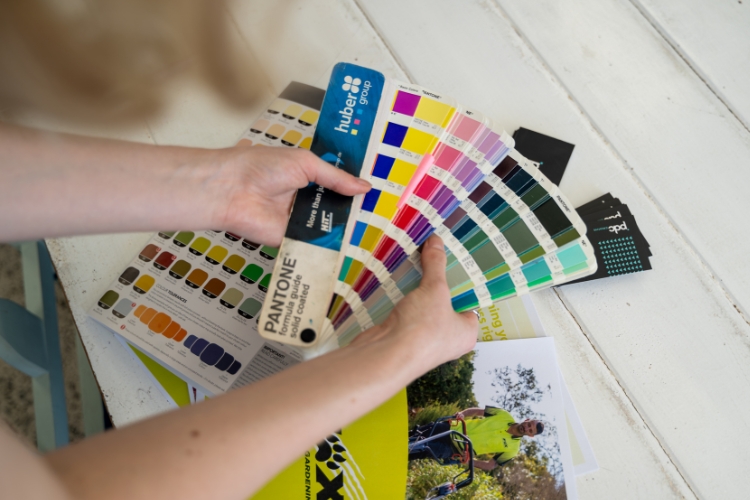
Different stocks, shapes, folds, finishes, textures, foiling, die cuts and spot UV can all turn a simple piece of marketing into an experience.
That opens up plenty of creative possibilities. A clever mailer can surprise someone when they open it. Beautiful packaging can become part of the product experience. A well-designed brochure can be something people actually want to keep.
Print gives brands another dimension to play with – literally.
2. It Feels Real
There’s a sense of legitimacy that comes with something you can hold in your hands.
In New Zealand, 43% of people say they trust information received through their letterbox, compared with 35% for email and 32% for social media. (Source)
That makes print an interesting way to reinforce the credibility of your wider marketing, particularly when quality matters.
And the physical experience itself can say something about your brand. The right paper stock, print quality and finishing can create a sense of quality that goes beyond what’s printed on the page. Foiling, embossing, specialty stocks and spot UV, for example, can give a campaign a more premium feel and make the finished piece something people want to pick up and explore.
3. It Creates a Different Kind of Moment
We spend a lot of our day moving between screens. Print gives your audience a chance to interact with your brand in a completely different way.
There’s no scrolling required. No competing tabs. Just something physical that can be picked up, read, passed around, left on a desk or returned to later.
There’s some interesting local evidence behind that, too. 54% of New Zealanders say they concentrate better when reading printed material than when reading online. (Source)
That doesn’t make print better than digital. It makes it different – and that contrast can be valuable.
4. Print Sticks Around
One of print’s simplest advantages is also one of its best: it can stay put.
A digital ad might be seen for a few seconds. A catalogue might live on the coffee table for weeks. A brochure can be taken back to the office and shared with the team. A flyer can end up pinned to a noticeboard until someone needs the service it advertises.
Good print has longevity.
It also gives you room to communicate more than you might be able to in a single ad. Product specifications, pricing, imagery, comparisons and detailed information can all sit together in a format customers can explore at their own pace.
5. Print and Digital Are Better Together
This is where things get interesting.
Print doesn’t need to replace digital marketing. It can lead people directly to it.
QR codes, short URLs, promo codes, email and social media prompts and other bridging tools can take someone from a printed piece to a landing page, booking form, online store, video or social channel in seconds.
There’s longstanding New Zealand Marketing Association research showing that print can directly drive online action. Unaddressed mail has been identified as a proven driver of digital engagement, with a significant proportion of recipients taking action online after receiving a physical piece in their letterbox. (Source)
The NZMA also notes that direct mail is most effective as part of an integrated campaign, where print works alongside channels like email and SMS to guide people through the customer journey. (Source)
Instead of thinking print versus digital, think about the journey. Print can get something into someone’s hands and then digital can help them take the next step.
So, What Kind of Print Marketing Could You Use?
Print can take plenty of forms, depending on what you’re trying to achieve.
There are brochures and booklets for telling a bigger story, flyers and postcards for getting a focused message out quickly, catalogues and lookbooks for showcasing products, and direct mail for reaching specific customers or prospects.
Then there’s packaging and inserts, posters, signage, point-of-sale displays, event collateral, business stationery and promotional material – all opportunities to create another physical touchpoint with your brand.
And print itself can be part of the creative idea. Specialty stocks, foiling, embossing, die cutting, unusual folds and other finishes can turn an everyday piece into something much more memorable.
The right format comes down to your audience, message and objective. Here are two examples of how print can work particularly well as part of a wider campaign. Learn more about our print services here.
The Best Marketing Mix Is the One That Works
Print still has plenty to offer – not as an alternative to digital, but as another tool in your kit.
Print can be tactile, creative, targeted, informative and memorable. Digital can add reach, immediacy, interaction and measurement. Put the two together thoughtfully and you have more ways to reach people, tell your story and encourage action.
Let’s find the right mix for your next campaign. We’ll work with you to understand the audience, shape the journey and decide where print and digital can have the greatest impact.